
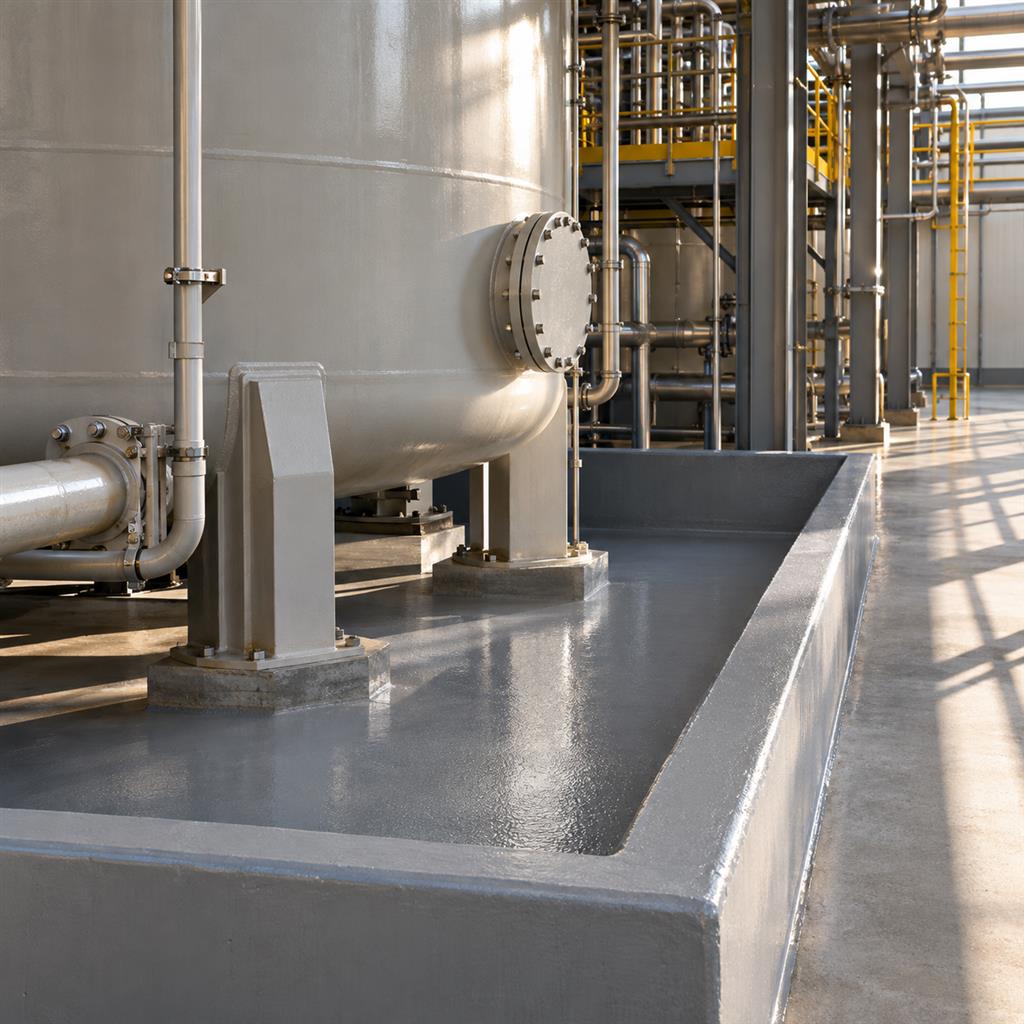
Industrial protection projects are easier to plan when observations are organized before a deadline or outage window arrives. For industrial facilities in Tampa, Florida properties, fall is a useful time for organizing observations before planned outages and year-end operating schedules. Industrial Lining Inspection should begin with a realistic review of how people use the site and where small issues become more noticeable. A structured review supports clearer communication among facility, maintenance, engineering, and project stakeholders. This guide is not a substitute for a site-specific assessment, permit review, or specialist recommendation; it is a starting framework for deciding what to document and discuss.
Begin with the day-to-day route
The best industrial lining inspection conversations start with the actual path used by customers, residents, tenants, visitors, deliveries, or facility personnel. Walk the property at an ordinary operating time. Note what is visible on arrival, what is difficult to access, and what changes between the public side and the service side. For this type of project, it is helpful to review containment areas, process floors, tanks, trenches, sumps, piping interfaces, and high-wear zones. A route-based review makes the scope more useful than a general list of tasks.
Separate observations from solutions
During a industrial lining inspection review, write down the condition, location, and operational impact before choosing a solution. A faded line, a low-visibility entry, a stocked-out bag station, a surface concern, or a location question may all call for different follow-up. Clear notes help a property team avoid overpromising a result or treating a routine visit as a replacement for specialized repair, engineering, leasing, or compliance advice. They also help a contractor or property representative understand the request before arriving on site.
Use the season to set priorities
Fall changes the order in which a site should be reviewed. For industrial facilities, industrial lining inspection can be a timely way to organize conditions that may be less visible during a busier season. Start with the high-impact places, then move through the supporting areas. The goal is not to create an artificial emergency. It is to use the calendar as a prompt for a more deliberate check of the property, facility, or shared outdoor space.
Build a short, repeatable checklist
- What does a visitor, tenant, resident, customer, or facility team member see first?
- Which locations have the highest use or the greatest effect on operations?
- Are any conditions changing because of weather, seasonal activity, or business scheduling?
- What needs routine attention, and what needs a separate qualified review?
- Who should receive the notes and decide on next steps?
This simple checklist makes industrial lining inspection easier to communicate. It also helps maintain a useful record from one season to the next. A brief site map, photographs, and dates can add context without implying a diagnosis or guaranteeing a particular outcome.
Match the scope to the site
Every location has a different mix of traffic, layout, maintenance responsibilities, and operational constraints. A workable industrial lining inspection scope should identify the areas that matter most and the conditions that are outside the scope. For example, a property review may surface an issue that calls for a landlord, manager, engineer, maintenance team, or public agency rather than a routine service provider. Separating those decisions early keeps the project focused and helps the right people receive the right information.
Coordinate around operations
Timing is part of industrial lining inspection. Confirm access, tenant or customer hours, delivery windows, event schedules, safety requirements, and any areas that must remain available. A good plan considers the work itself and the people who use the property while it is being completed. This applies whether the project concerns an exterior facility feature, a community amenity, pavement, an industrial process area, or a prospective commercial location.
Ask clear questions before committing
Before moving forward with industrial lining inspection, prepare a concise summary of the site, the priority locations, the desired timing, and any open questions. This gives the next conversation a practical foundation. A vendor, property manager, or leasing representative can respond more effectively when the request identifies the operating context instead of relying only on a broad service label. It also makes it easier to compare appropriate options without relying on assumptions.
Keep records current
Conditions, business needs, and seasonal priorities change. Revisit the checklist after a major weather event, change in use, tenant transition, schedule shift, or facility observation. This is where industrial lining inspection becomes a useful management habit instead of a one-time task. If the same issue or question returns, update the route, the timing, or the contact list rather than simply repeating the prior plan.
Make the handoff easy to use
A useful handoff does not need to be complicated. Include the property name or facility area, the date of the review, a short description of the condition, the affected route or location, and the person responsible for deciding what happens next. Keep routine observations separate from urgent safety concerns or specialized technical questions. This gives every participant a common reference point, reduces the chance that a seasonal task is forgotten, and makes later conversations more efficient. The record should describe what was seen and what action is requested without claiming a cause that has not been evaluated.
Plan the next conversation
For industrial facilities readers, industrial lining inspection is most useful when it ends with a clear next step. Review the priority areas, record the questions that need a response, and contact the team to discuss the property or project. You can also review the relevant service or leasing information before that conversation. A documented industrial lining inspection plan helps everyone begin with the same practical understanding of the site and the season.